


 简体中文
简体中文 English
 русский
 عربى
عربى Español
Contenido
- 1 What Is HPMC and Why It Matters in Adhesive Applications
- 2 Chemical Properties of Hydroxypropyl Methyl Cellulose
- 3 Core Functions of HPMC Chemical Additive in Adhesive Systems
- 4 HPMC Water Retention Mechanism Explained
- 5 HPMC Viscosity Selection Guide for Construction Adhesives
- 6 Applications: Where HPMC for Adhesive Delivers the Most Value
- 7 Formula Recommendations: Optimized HPMC Dosage by System Type
- 8 FAQs: Common Questions About HPMC in Construction Adhesives
What Is HPMC and Why It Matters in Adhesive Applications
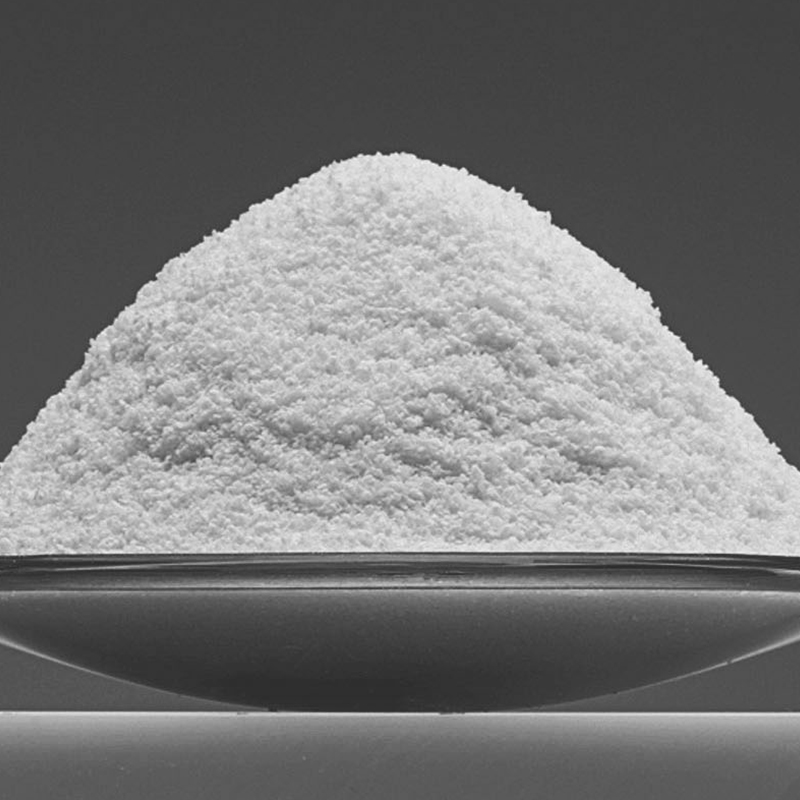
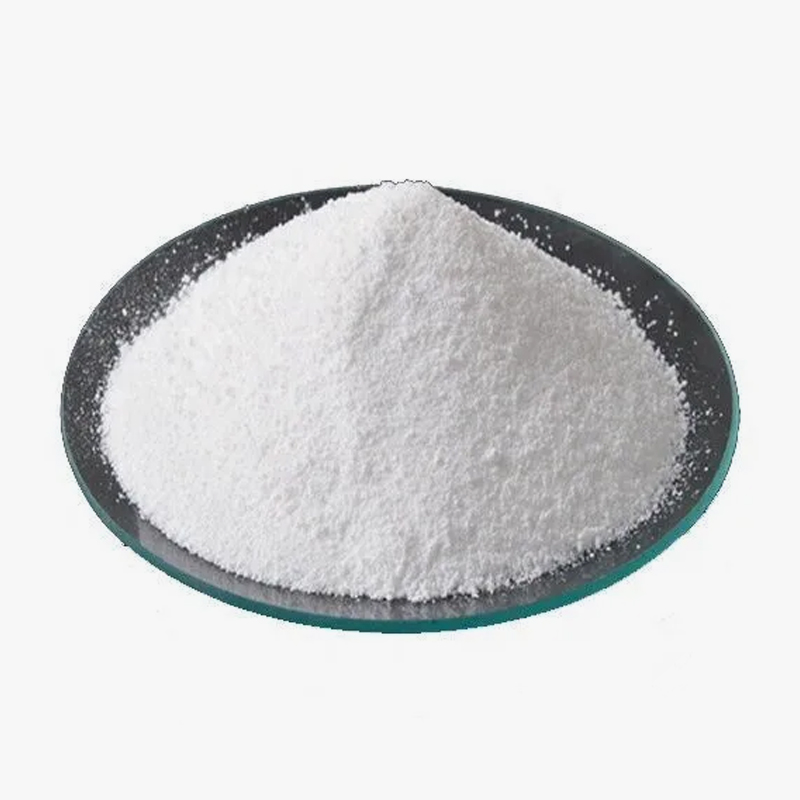
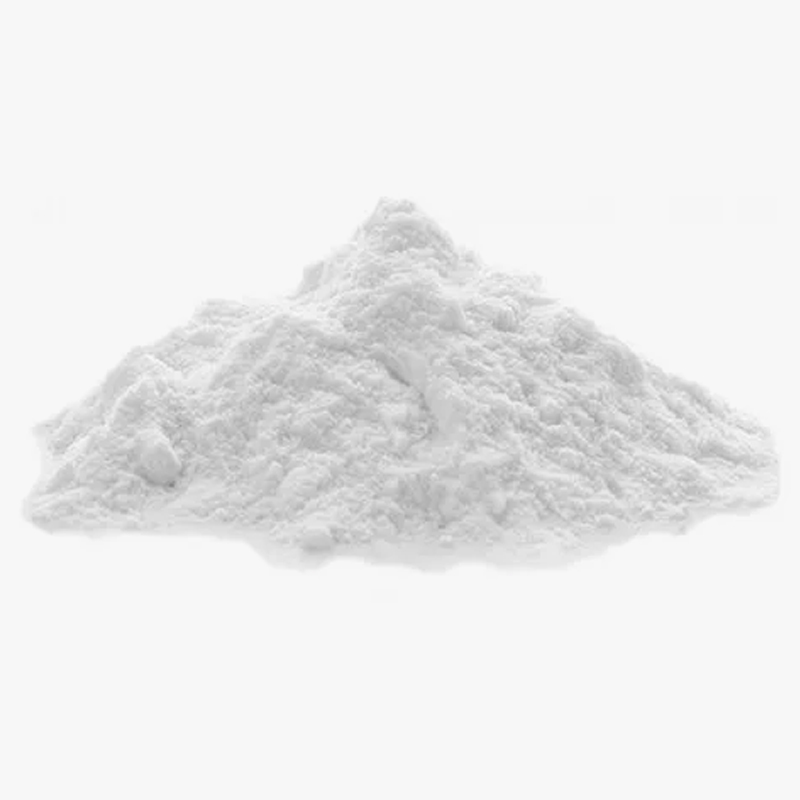
Hydroxypropyl Methyl Cellulose (HPMC) is a non-ionic, water-soluble cellulose ether polymer derived from natural cellulose through a series of chemical modifications — specifically etherification using propylene oxide and methyl chloride. In the context of adhesive formulations, HPMC functions simultaneously as a thickener, water retention agent, workability enhancer, and open-time extender, making it one of the most indispensable chemical additives in modern construction chemistry.
When incorporated into tile adhesives, wall putty, dry mix mortars, or EIFS (Exterior Insulation and Finish Systems), HPMC for adhesive applications ensures that the cementitious or gypsum-based matrix retains sufficient moisture during application. This directly translates to stronger bond strength, reduced substrate cracking, and a longer window for adjustment — critical performance parameters that professional contractors and system formulators prioritize.
Unlike synthetic polymer additives, HPMC is derived from renewable cellulose feedstocks, offers excellent compatibility with inorganic binders such as Portland cement and calcium sulfate hemihydrate (gypsum), and is free from ionic interference — all factors that collectively make construction grade HPMC a preferred modifier across global building material markets.
Chemical Properties of Hydroxypropyl Methyl Cellulose
HPMC is characterized by its degree of substitution (DS) and molar substitution (MS) — parameters that define the methoxy and hydroxypropyl content respectively. These substitution levels directly control solubility behavior, gel point, surface activity, and compatibility with other additives in a formulation.
| Parameter | Typical Range | Significance |
|---|---|---|
| Methoxy Content (DS) | 19% – 30% | Controls hydrophobicity and gel temperature |
| Hydroxypropyl Content (MS) | 4% – 12% | Improves cold-water solubility and stability |
| Viscosity (2% solution, 20°C) | 400 – 200,000 mPa·s | Determines rheology and water retention efficiency |
| Gel Temperature | 50°C – 90°C | Thermal gelation prevents slump at high temps |
| pH Stability | 3 – 11 | Compatible with alkaline cement environments |
| Moisture Content | < 5% | Ensures dry powder flowability in premix bags |
A critical but often overlooked property is the thermal gelation behavior of HPMC. Unlike most hydrocolloids that dissolve better at elevated temperatures, HPMC exhibits inverse solubility — it dissolves readily in cold water but forms a reversible gel when heated above its gel temperature (typically 55–80°C depending on the grade). This makes HPMC thickener particularly well-suited to summer construction environments where mortars might otherwise undergo premature drying.
Core Functions of HPMC Chemical Additive in Adhesive Systems
The performance contribution of HPMC in adhesive formulations is multi-dimensional. Rather than serving a single role, it simultaneously addresses several formulation challenges that would otherwise require multiple additive components. Below are the primary functional contributions:
Thickening and Rheology Control
HPMC viscosity is the primary driver of paste consistency in tile adhesives and putty systems. By forming a three-dimensional polymer network in the aqueous phase, HPMC generates pseudoplastic (shear-thinning) behavior — meaning the mortar flows easily under trowel pressure but immediately recovers its viscosity at rest, preventing tile slippage and sagging on vertical substrates.
Water Retention
This is arguably the most commercially significant function of HPMC water retention in construction adhesives. Without adequate water retention, the mixing water migrates rapidly into porous substrates (concrete blocks, bricks, gypsum boards), prematurely dehydrating the binder matrix and resulting in incomplete hydration, reduced adhesion, and surface cracking. HPMC film-forming capacity on substrate pores physically impedes this capillary absorption.
Open Time Extension
Open time — the working window during which tiles or panels can be positioned and adjusted — is directly proportional to HPMC dosage and viscosity grade. Higher-viscosity grades of HPMC for tile adhesive can extend open time from a typical 10–15 minutes (without HPMC) to 30–60 minutes in optimized formulations, significantly improving large-format tile installation productivity.
Workability and Spreadability
Beyond viscosity, HPMC contributes lubricity to the mortar system — the smooth, buttery texture that experienced tilers describe as "good slip." This is attributable to the surface-active nature of cellulose ether chains, which reduce interfacial friction between aggregate particles and provide a consistent trowel feel across varying substrate temperatures.
Fig.1 — Relative importance rating of each HPMC function in construction adhesive systems, based on formulator survey data.
The chart above illustrates how water retention and thickening are rated as the two dominant performance contributions of HPMC in adhesive formulations, collectively accounting for the majority of functional value. Open time extension ranks third, which reflects the growing demand for large-format tile installation where extended workability is commercially critical. Workability, while ranked fourth, is often the most immediately perceptible quality to end-users during application.
HPMC Water Retention Mechanism Explained
Understanding the HPMC water retention mechanism is essential for formulators seeking to optimize mortar performance on challenging substrates. When dry-mix mortar containing HPMC is mixed with water, the cellulose ether granules dissolve to form a viscous colloidal solution that intimately coats all solid particles — cement, sand, filler — as well as the pore surfaces of any substrate that the mortar contacts.
The retention mechanism operates through two complementary pathways:
- Physical barrier effect: HPMC polymer chains form a semi-permeable film at the mortar-substrate interface that physically impedes capillary suction, slowing moisture migration by up to 60–80% compared to unmodified mortars.
- Osmotic binding effect: HPMC molecules bind water through hydrogen bonding across numerous hydroxyl groups, reducing the free water fraction available for capillary absorption. This "bound water" remains accessible to cement hydration reactions.
The net result is that cement hydration proceeds more completely and uniformly, leading to measurably higher final compressive strength and bond strength versus mortars without HPMC. Studies on HPMC-modified tile adhesives have shown bond strength improvements of 15–35% when water retention exceeds 95%, compared to unmodified controls at approximately 70% water retention.
Fig.2 — As HPMC viscosity grade increases, water retention performance improves substantially. Higher-viscosity grades deliver near-complete water retention, critical for porous substrates and hot-weather applications.
The line chart above clearly demonstrates that water retention efficiency rises steeply as HPMC viscosity increases from low-grade (400 mPa·s) to high-grade (200,000 mPa·s). This relationship is particularly important for installations on highly porous substrates such as aerated concrete blocks or dry brickwork, where unmodified mortars would lose 30–40% of their mixing water within the first few minutes of application. Formulators working in hot or arid climates typically select viscosity grades of 60,000 mPa·s or higher to compensate for accelerated evaporation and substrate absorption.
HPMC Viscosity Selection Guide for Construction Adhesives
Selecting the correct HPMC viscosity grade is one of the most consequential decisions in adhesive formulation. Viscosity is measured as a 2% aqueous solution at 20°C using a Brookfield viscometer, and the commercial range spans from approximately 400 mPa·s (low viscosity) to 200,000 mPa·s (ultra-high viscosity). Each range has distinct performance implications:
| Viscosity Grade (mPa·s) | Classification | Primary Applications | Typical Dosage (%) |
|---|---|---|---|
| 400 – 800 | Low | Self-leveling compounds, flow mortars | 0.05 – 0.10 |
| 4,000 – 8,000 | Medium-Low | Interior wall putty, skim coat | 0.15 – 0.25 |
| 15,000 – 30,000 | Medium | Standard tile adhesive, gypsum plaster | 0.20 – 0.35 |
| 60,000 – 100,000 | High | Large-format tile adhesive, EIFS base coat | 0.25 – 0.40 |
| 150,000 – 200,000 | Ultra-High | Heavyweight tile, high-retention dry mix | 0.30 – 0.50 |
Note that dosage and viscosity interact non-linearly — doubling the dosage of a medium-viscosity grade does not produce the same result as using a half-dosage of an ultra-high viscosity grade, even if the overall solution viscosity might be similar. The molecular weight distribution and polymer chain length of the higher-grade HPMC produces different film-forming and barrier properties that affect workability and substrate interaction in ways that viscosity measurement alone cannot predict.
Fig.3 — The relationship between HPMC viscosity grade and open time in standard tile adhesive formulations. Ultra-high viscosity grades can extend open time to over 60 minutes, enabling large-format tile installations that are impractical with standard-grade HPMC.
Applications: Where HPMC for Adhesive Delivers the Most Value
Tile Adhesive
HPMC for tile adhesive is the largest single application segment, driven by the global construction boom in residential and commercial tiling. In EN 12004-compliant C2TE class tile adhesives (flexible, with extended open time), HPMC at 0.25–0.40% dosage provides the dual function of anti-slip (non-sag) behavior on vertical walls and extended open time on floors. The standard performance benchmark is a minimum 20-minute open time, which high-viscosity HPMC routinely exceeds. Furthermore, HPMC enables the use of polymer-modified adhesive systems (C2 class) by improving compatibility between redispersible polymer powders (RDP) and the inorganic binder matrix.
Wall Putty
In wall putty formulations — both cement-based and polymer-based — HPMC serves as the primary thickener and water retention agent. A typical interior white cement putty contains 0.15–0.25% HPMC at a medium viscosity of 15,000–40,000 mPa·s. This concentration provides adequate workability for hand application with a putty blade, while retaining sufficient moisture on gypsum board or concrete surfaces to prevent powdering and delamination after drying. Exterior wall putties, which face higher thermal cycling stress, typically use slightly higher HPMC dosages combined with redispersible latex powders to improve crack resistance.
Dry Mix Mortar
HPMC for dry mix mortar encompasses a broad range of pre-bagged, factory-blended products including masonry mortars, renders, repair mortars, and underfloor heating screeds. In these systems, HPMC must be supplied as a free-flowing, dust-free powder that disperses uniformly during mixing. The key performance requirements are: consistent water retention across varying mix water ratios, resistance to segregation during storage, and stable performance across a wide temperature range (5°C to 35°C application temperature). Construction grade HPMC with controlled particle size distribution (typically 90–150 µm D50) ensures rapid dissolution and avoids fish-eye formation.
EIFS (Exterior Insulation and Finish Systems)
EIFS base coats and adhesive mortars used to bond insulation boards (EPS, mineral wool) to structural substrates represent one of the most technically demanding applications for HPMC chemical additive. The mortar must adhere to smooth polystyrene foam surfaces — which have essentially zero porosity — while simultaneously bonding to concrete, masonry, or substrate renders. HPMC at 0.30–0.45% provides the necessary adhesive film formation and sag resistance to support board weight before initial set, and its thermal gelation behavior prevents mortar flow during peak summer temperatures when substrate temperatures can exceed 60°C.
EASONZELL™ MP hydroxypropyl methylcellulose (HPMC) is a versatile non-ionic cellulose ether polymer that finds extensive applications across various industries including construction materials, industrial coatings, ceramics, and ink printing. In the construction industry, EASONZELL™ MP HPMC serves as a vital component — acting as both a water-retaining agent and a retarder for cement mortar, it enhances mortar pumpability and enables consistent application across a broad temperature range.
Moreover, it functions as an adhesive binder in plastering, gypsum, putty powder, and other building materials, thereby improving coating properties and extending operational time. Additionally, it facilitates the pasting of ceramic tiles, marble, and plastic decorations, as well as reinforcing agents, while also contributing to reduced cement consumption in optimized formulations.
Zhejiang Yisheng New Material Co., Ltd. is a professional enterprise engaged in the design, development, manufacturing, application, and sales of cellulose ether, located in the Shangyu Economic and Technological Development Zone, part of the Hangzhou Bay National Industrial Park. With a core concept of safety, environmental protection, and sustainable development, the company maintains an annual production capacity of 15,000 tons of cellulose ether. The full product range includes HEC (hydroxyethylcellulose), HEMC (hydroxyethyl methylcellulose), and HPMC (hydroxypropyl methylcellulose), serving sectors such as oil fields, coatings, dry powder mortar, cosmetics, personal care, and pharmaceutical applications. Yisheng maintains a global presence, providing stable cellulose ethers and technical services to customers worldwide.
Fig.5 — Approximate annual production capacity distribution across cellulose ether product lines at Zhejiang Yisheng New Material Co., Ltd., with HPMC representing the largest production segment.
Formula Recommendations: Optimized HPMC Dosage by System Type
The following formula recommendations are based on practical formulation experience and are provided as starting-point guidelines. Actual dosage should be validated through laboratory testing with local raw materials, substrate conditions, and climatic requirements. All percentages refer to weight fraction of total dry blend.
Standard C1 Tile Adhesive (Interior)
- Portland cement CEM I 42.5: 25–30%
- Quartz sand (0.1–0.5mm): 65–70%
- HPMC (40,000–60,000 mPa·s): 0.20–0.30%
- Calcium formate (accelerator): 0.5%
- Water/powder ratio: 0.22–0.26
C2TE Flexible Tile Adhesive with Extended Open Time
- Portland cement CEM I 52.5: 30–35%
- Graded quartz sand: 55–60%
- HPMC (100,000–150,000 mPa·s): 0.30–0.40%
- Redispersible polymer powder (VAc/VeoVa): 3–5%
- Citric acid (retarder): 0.1–0.2%
Interior Cement-Based Wall Putty
- White cement or grey cement: 20–25%
- Calcium carbonate (filler): 65–70%
- HPMC (15,000–30,000 mPa·s): 0.15–0.25%
- Redispersible powder: 1–2%
- Water/powder ratio: 0.32–0.38
EIFS Adhesive and Base Coat Mortar
- Portland cement: 25–30%
- Quartz sand and filler blend: 55–60%
- HPMC (80,000–120,000 mPa·s): 0.30–0.45%
- Redispersible polymer powder: 5–8%
- Cellulose fiber: 0.2–0.4%
Fig.6 — Recommended HPMC dosage ranges by application system. EIFS and C2TE flexible tile adhesive applications consistently require higher dosage ranges to achieve necessary water retention and anti-sag performance, while interior wall putty systems can function effectively at lower dosages.
 Correo electrónico: sarah@ys-cellulose.com
 Teléfono: +86-18067879812


